
Best Water Purifier Under 10000 in India 2026
Under 10,000 rupees you can have RO, or you can have a brand that turns up when it breaks. Rarely both from the same box. We read the recent verified reviews on thirteen purifiers in this band and ranked the seven worth buying.

The quick answer
The Aquaguard Sure Delight RO+MC 1X wins because it is the only purifier under 10,000 rupees with both halves of the job covered: it handles genuinely hard borewell water, and somebody is contractually obliged to come and fix it. One owner documented raw supply at about 1,550 ppm coming out of the tank at 187 ppm, and the year-one plan bundles installation, a maintenance visit and unlimited repair visits rather than selling them back as an AMC. If your municipal supply already tests soft, buy the Aquaguard Sure Delight UV+UF 2X instead and stop paying for reverse osmosis you do not need. If you want the water to taste right, the Pureit Wave Plus adds a UV stage and the best mineral cartridge here.
Quick comparison
Seven purifiers side by side, ranked by score - the purification stack, what water each one is actually for, the tank size and a Buy button for the impatient.
-
 Kriti's score 9.0 Best overall
Aquaguard Sure Delight RO+MC 1X Water Purifier
The one purifier in this band that handles genuinely hard borewell water and comes with a year of repair visits included.
Read the reviewapprox. ₹7,999 -
 Kriti's score 8.5 Best for taste
Pureit Wave Plus RO + Mineral + UV Water Purifier
The only pick under 10,000 with a UV stage on top of RO, and the mineral cartridge that keeps the water from tasting like nothing.
Read the reviewapprox. ₹8,399 -
 Kriti's score 8.4 Best for municipal water
Aquaguard Sure Delight UV+UF 2X Water Purifier
No RO, so nothing is wasted and nothing is stripped - and the filters last two years instead of one.
Read the reviewapprox. ₹9,499 -
 Kriti's score 8.0 Best budget RO
Pureit Wave Prime RO+MF Water Purifier
The cheapest RO here from a brand with a real service line - as long as you understand what the filter kit will cost you.
Read the reviewapprox. ₹7,599 - 7.9 scoreBest compact pick
Havells Aquas Lite UV+UF Water Purifier
The cheapest branded purifier worth buying - small, light, wastes nothing, and only for soft water.
Read the reviewapprox. ₹6,999 -
 Kriti's score 7.8 Best without electricity
Pureit Classic 23L Gravity Water Purifier
No power, no plumbing, no running cost worth arguing about - and no pretence that it does anything about TDS.
Read the reviewapprox. ₹3,299 -
 Kriti's score 7.6 Best storage per rupee
Livpure GLO PRO++ RO+UV+UF Water Purifier
The most-bought purifier in this band. It purifies well; the ownership is where it falls down.
Read the reviewapprox. ₹8,499
How we shortlisted
We screened thirteen purifiers with enough verified reviews to judge and scored them all. What we dropped first was not a brand, it was a whole tier: the sub-6,000-rupee unbranded RO units that dominate this search. They are not badly made, necessarily. They are unsupported. The highest-volume one lists a maximum retail price of 24,999 rupees against a 5,247-rupee street price, its five-star reviews are overwhelmingly single words, and one owner had a main component fail at three months and was quoted 2,000 rupees to fix a 5,000-rupee machine. In a category where the machine is the cheap part and the servicing is the commitment, that is not a saving.
The number that misleads here is the stage count, and under 10,000 rupees it misleads worse than anywhere else. Copper, alkaline, mineraliser and TDS adjuster are frequently one post-RO cartridge split four ways on the box, which is how a 5,000-rupee unit advertises fourteen layers. The spec that actually decides whether you will be happy is duller: whether the purification technology matches your water. Buy RO for soft municipal supply and you get flat, over-stripped water reading in single digits - a complaint that turns up on the Pureit and Livpure listings repeatedly. Buy UV+UF for borewell water and you get water exactly as hard as it went in. Get that fork right and almost any competent unit works; get it wrong and no amount of stages saves you.
What actually moved the rankings was the running cost and who controls it. Two of the picks here lock you to a proprietary kit and stop dispensing water when it expires - one Pureit owner paid around 3,250 rupees for a replacement and then waited roughly forty days for the part. Against that, the Aquaguard UV+UF’s two-year filter life and the RO+MC’s included repair visits are worth more than any stage on the box. So the picks that gave you a predictable, bounded cost of ownership rose, and the ones whose hardware is fine but whose after-sales is a lottery - Livpure most obviously - fell to the bottom of the list. We did not mark anything down for arriving damaged; that is an Amazon logistics problem, and it shaped our buying advice rather than the scores.
At a glance: 7 purifiers under 10,000, what each one is for
| Purifier | Purification | Your water | Tank | Filter life | Price (approx.) |
|---|---|---|---|---|---|
| Aquaguard Sure Delight RO+MC | RO + Mineral Charge | Borewell / tanker, above 200 ppm | 6.2L | 1 year / 6,000L | ₹7,999 |
| Pureit Wave Plus | RO + UV + Mineral | Any source, to 2,000 ppm | 7L | 6,000L | ₹8,399 |
| Aquaguard Sure Delight UV+UF 2X | UV + Ultrafiltration | Municipal only, under 200 ppm | 6L | 2 years | ₹9,499 |
| Pureit Wave Prime | RO + MF + Mineral | Hard water, to 1,000 ppm | 7L | 6,000L | ₹7,599 |
| Havells Aquas Lite | UV + UF + Magnesium | Municipal only, under 300 ppm | 7L | 1 year | ₹6,999 |
| Pureit Classic 23L | Gravity + carbon + germkill | Safe TDS, turbid supply | 23L | 3,000L | ₹3,299 |
| Livpure GLO PRO++ | RO + UV + UF + silver | Any source, to 2,000 ppm | 7L | 1 year | ₹8,499 |
The 7 picks, reviewed
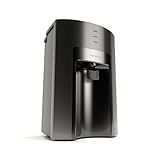
1. Aquaguard Sure Delight RO+MC 1X - best water purifier under 10000 overall
- One owner logged 1,550 ppm borewell water coming out at 187 ppm after four tanks
- Free service plan: installation, one maintenance visit and unlimited repairs in year one
- Mineral Charge puts calcium and magnesium back so the water is not stripped flat
- Cartridge rated a year or 6,000 litres - one planned service, not four
Most purifiers in this band are sold on what they add. This one wins on what it survives. An owner on borewell supply measured his raw water at roughly 1,550 ppm - genuinely difficult, well past what most sub-10,000 units are built for - and logged the output at 229 ppm on installation day, settling to 187 ppm after four tank cycles. That is not a brochure figure, it is somebody with a handheld meter documenting four readings including the reject water at around 2,480 ppm, and it is the strongest single piece of evidence in this round.
The other half is the part nobody thinks about until the machine dies on a Sunday. The Sure Delight ships with a service plan Aquaguard values at 2,000 rupees: free installation, one free maintenance visit and unlimited repair visits inside the first year. That is a contractual commitment rather than a hopeful one, and it matters more here than anywhere else on this page, because everything under 10,000 rupees comes with a one-year warranty and no plan. Installs are the fastest in this round too - owner after owner reports the technician arriving the same or next day, which is not something you can say about the Livpure listing. The Mineral Charge stage puts calcium and magnesium back so the output does not taste stripped, and the cartridge runs a year or 6,000 litres, so this is one scheduled visit annually rather than a rolling series of them. Aquaguard also states the unit is tested to NABL standards, which you can check against the accredited-lab directory rather than take on trust.
The caveats are real and worth knowing before the installer arrives. The sediment pre-filter that protects the membrane on gritty borewell water is not in the box, and one owner reports being quoted around 1,500 rupees for it with no bill, against roughly 999 rupees for the same part on Amazon - buy it yourself. The 6.2-litre tank is the smallest of the RO picks here and it sits on the counter rather than the wall. And the listing genuinely contradicts itself: the feature text says borewell and tanker water above 200 ppm only, while the spec table lists a maximum supported TDS of 100. The feature text is the one that matches how the machine behaves.
Key specifications
- Purification
- RO + Mineral Charge (Sedi Shield, particulate filter, RO Maxx)
- Storage tank
- 6.2 litres
- Suitable for
- borewell and tanker water above 200 ppm TDS
- Cartridge life
- 1 year or 6,000 litres
- Mounting
- Countertop
- Certification
- NABL and WQIA tested
- Warranty
- 1 year, plus a service plan Aquaguard values at Rs2,000
- Made in India (Dehradun)
Pros
- It does the hard job properly - one owner documented raw borewell water at about 1,550 ppm coming out at 229 ppm on day one and settling to 187 ppm after four tank cycles, which is a genuinely demanding test
- The year-one service plan is the most concrete after-sales cover in this price band: free installation, one maintenance visit and unlimited repair visits, rather than a vague promise
- Installation is the fastest in this round - owners repeatedly report the technician arriving the same or next day, and several mention the fitting being done well the first time
- Water wastage is noticeably lower than a standard RO, which several owners specifically call out, and the Mineral Charge stage stops the output tasting flat
- The cartridge is rated for a year or 6,000 litres, so this is one scheduled service a year rather than a rolling series of visits
Cons
- The sediment pre-filter that protects the membrane on borewell water is not in the box - one owner was quoted about 1,500 rupees for it by the installer with no bill, against roughly 999 rupees for the same part on Amazon
- The 6.2-litre tank is the smallest of the RO picks here, which is tight for a family of four during a long power cut
- It is countertop, not wall-mount, so it wants about a foot of counter or a shelf near the tap
- The listing contradicts itself on water suitability - the feature text says borewell and tanker above 200 ppm only, while the spec table lists a maximum supported TDS of 100. Read the feature text; the spec table is wrong
- Eureka Forbes after-sales beyond the first year draws heavy criticism across the brand, so the plan covers you for a year and then you are in the same queue as everyone else
Who should buy this
The household on borewell or tanker water that wants the dissolved salts down and does not want to spend more than eight thousand rupees doing it. This is the only pick here with owner-documented performance on genuinely hard water in the four-figure TDS range, and the only one that bundles unlimited repair visits into year one rather than selling them back to you as an AMC. Best if you have counter space near the tap and will buy the sediment pre-filter yourself.
Skip if
Skip if your municipal supply already tests under 200 ppm - Aquaguard's own listing says this model is not for soft water, and running RO on it will strip the water to a flat single-digit reading. The Aquaguard Sure Delight UV+UF 2X is the model Eureka Forbes actually sells for that job.
Ready to buy?
Aquaguard Sure Delight RO+MC 1X Water Purifier
2. Pureit Wave Plus - best-tasting water under 10000

- RO plus a UV stage - the only unit here that sterilises the stored water too
- Owners logged 670 ppm down to 55, and 350 down to 35
- Handheld TDS meter in the box, so you can check the claim yourself
- Wall-mountable and rated to a 2,000 ppm input
The Wave Plus is the only purifier under 10,000 rupees here that puts a UV lamp after the RO membrane. That matters for a reason the marketing does not explain well: RO cleans the water at the moment it is made, but it then sits in a plastic tank for hours, and UV is what keeps it sterile in there. Add the mineral enhancer cartridge and the numbers owners report are the best in the band - one logged 670 ppm coming out at 55 a full year in, another 350 down to 35. Pureit puts a handheld TDS meter in the box, which is the rare case of a brand handing you the tool to check its own claim, and the unit carries WQA certification you can look up by model.
Installation is where this listing separates itself, and it does so in an odd way: owners name the technician. Not “service was good” but the person’s name and which agency they came from, repeatedly, across months of reviews. In a category where the most common complaint is that nobody turned up at all, a listing whose buyers remember the installer fondly is telling you something about how the network actually runs.
Then there is the germkill kit, and you should understand it before you buy. The Smartsense system stops dispensing water entirely when the cartridge expires, and the cartridge is Pureit-only - there is no third-party equivalent on the market. One owner paid about 3,250 rupees for a replacement at the eight-month mark, waited around forty days for the part to be available, and was then quoted extra for resetting the machine. That is the deal: excellent water, a brand that installs well, and a consumable you have no bargaining power over. There is also a visible minority of units that arrive faulty - one stopped working on day thirteen, another had a motherboard failure inside a month - so test it hard during the return window.
Key specifications
- Purification
- 6-stage RO + UV + mineral enhancer
- Storage tank
- 7 litres
- Purification rate
- 20 litres/hour
- Max input TDS
- 2,000 ppm (borewell, tanker or municipal)
- Filter life
- 6,000 litres
- Mounting
- Wall mount
- Certification
- WQA tested
- Warranty
- 1 year
- In the box
- installation kit and a handheld TDS meter
Pros
- It is the only purifier under 10,000 rupees here with a real UV stage after the RO, which keeps the water in the storage tank sterile between draws rather than just clean at the moment it was made
- The purification numbers owners report are the strongest in the band - one logged 670 ppm coming out at 55, another 350 down to 35, both a year or more into ownership
- Installation draws unusually specific praise: owners name the technician who came, which is not something you see on the Livpure or V-Guard listings
- The mineral enhancer cartridge adds calcium and magnesium back after the RO stage, and repeat buyers describe the taste as fresh rather than flat
- A handheld TDS meter is included, so you can verify what the machine is actually doing instead of trusting the badge
Cons
- The Smartsense system stops water flow entirely when the germkill kit expires, and the kit is Pureit-only - one owner paid about 3,250 rupees for a replacement, waited around 40 days for the part to arrive, and was then quoted extra to reset the machine
- Output TDS runs very low on already-soft supply: owners on municipal water report readings of 10 to 33 ppm even after changing the mineral cartridge, which tastes bitter and flat
- A visible minority of units arrive faulty or start leaking within days - one stopped working on the thirteenth day, another had a motherboard failure inside a month
- Warranty repairs are not always free in practice: one owner with a leak at four months was quoted 1,500 rupees for a unit still inside its warranty
Who should buy this
The buyer on borewell or mixed supply who wants the water to taste right, not just test clean. The UV stage protects the stored water, the mineral cartridge stops the flat, stripped taste that ruins cheap RO, and the included TDS meter lets you check both. Best for a family that will keep the germkill kit on schedule and treat the replacement cost as part of the price of the machine.
Skip if
Skip if you want to shop for cheaper third-party filters later - the germkill kit is proprietary, the machine locks itself when it expires, and you have no leverage on the price. The Aquaguard Sure Delight RO+MC uses a conventional cartridge on a yearly schedule.
Ready to buy?
Pureit Wave Plus RO + Mineral + UV Water Purifier
3. Aquaguard Sure Delight UV+UF 2X - best purifier under 10000 for municipal water

- Two-year filter life - roughly half the running cost of every RO here
- No RO membrane, so no reject water goes down the drain
- UV e-boiling plus NanoPore 2X ultrafiltration, 24 litres/hour
- Mega sediment filter included rather than sold at installation
This is the pick most people reading a “best water purifier” page should probably buy, and almost nobody does, because RO has been sold to India as the default rather than as a treatment for a specific problem. If your municipal supply tests under about 200 ppm, there are not enough dissolved salts in it to justify a membrane. What you need is the microbes dealt with, and UV e-boiling plus NanoPore 2X ultrafiltration does that without stripping the minerals, without a drain line and without throwing three litres away for every one you drink. An owner whose supply reads under 30 ppm puts it plainly: with TDS that low there is no need for the RO feature, and skipping the expensive membrane should keep costs down.
The running cost is the real argument. Every RO on this page needs a cartridge or kit annually, at 3,300 to 5,000 rupees a time. This one runs two-year filters. Over four years that is two filter changes against four, on a machine that also has no membrane to replace and no reject water to pay for. The mega sediment filter is included rather than sold to you on installation day - which, given what the RO listings here say about installer upselling, is worth noting. It is also the fastest unit in this round at 24 litres an hour, and the 6-litre tank fills about five bottles at a go.
Two things keep it off the top spot. The first is that it is genuinely useless above 200 ppm - UV and UF do not touch dissolved salts, and Aquaguard says so in the listing, though the spec table unhelpfully contradicts it by listing reverse osmosis as a purification method and a 1,000 ppm ceiling. The second is Eureka Forbes when something breaks: several owners describe units failing at two or three months and then waiting two to three weeks for a technician while still inside warranty, and the AMC calls start early - one owner was quoted 2,500 rupees a year for cover on a purifier with two-year filters. The year-one plan covers you. After that you are in the queue.
Key specifications
- Purification
- 6-stage, mega sediment filter + UV e-boiling + Ultrafiltration 2X
- Storage tank
- 6 litres
- Purification rate
- 24 litres/hour
- Suitable for
- municipal water only, below 200 ppm TDS
- Filter life
- 2 years
- Mounting
- Countertop
- Warranty
- 1 year, with free install, two cleaning services and unlimited repairs in year one
- Made in India (2025)
Pros
- Two-year filter life is the single biggest running-cost saving in this list - every RO here needs a cartridge or kit annually, and this one does not
- With no RO membrane there is no reject water at all, which owners notice immediately: no drain line to plumb, no three litres wasted for every one you drink
- It does not strip the minerals out, so the flat-tasting-water complaint that dogs every cheap RO simply does not apply - owners with supply testing under 30 ppm say choosing this over RO was the right call
- The mega sediment filter is included at no extra cost, which is pointedly not true of the RO models here where the installer sells you one
- 24 litres an hour is the fastest flow rate in this round, and owners say the 6-litre tank fills about five bottles at once
Cons
- It is useless on borewell or tanker water - UV and UF kill microbes but do nothing to dissolved salts, so above roughly 200 ppm this is the wrong machine entirely
- When it does fail, Eureka Forbes service is a lottery: several owners describe units dying at two or three months and then waiting two to three weeks for a technician while still inside warranty
- The AMC calls start early and are persistent - one owner was quoted 2,500 rupees a year for cover on a purifier with two-year filters
- The listing's own spec table contradicts the title, listing reverse osmosis as a purification method and a 1,000 ppm maximum TDS on a unit the feature text says is for municipal water under 200 ppm
- The 6-litre tank is plastic, and an owner or two would rather have paid for steel
Who should buy this
The city household on treated municipal supply whose water tests under about 200 ppm and who has been talked into thinking they need RO. You do not. This gives you microbiological safety without the water wastage, without the flat taste and without the annual cartridge bill, and the two-year filter life halves what you spend keeping it alive. Best if you have tested your supply and it came back low.
Skip if
Skip if you are on borewell, tanker or any supply you have not measured - this unit cannot lower dissolved salts at all, and buying it blind is how people end up with an expensive machine and the same hard water. Test first; if you are above 200 ppm, the Aquaguard Sure Delight RO+MC is the one.
Ready to buy?
Aquaguard Sure Delight UV+UF 2X Water Purifier
4. Pureit Wave Prime - best budget RO under 10000

- Cheapest RO in this list from a brand you can actually call
- 7-litre tank and wall mounting at under 7,600 rupees
- Internal sediment filter rated to last twice as long as a standard one
- Handheld TDS meter included
The Wave Prime is the Wave Plus with the UV stage removed and 800 rupees taken off, and for a household on hard water with a firm budget that is a defensible trade. You still get a 7-litre wall-mounted tank, a mineral cartridge, 20 litres an hour and an internal sediment filter rated to last about twice as long as a standard one - which matters, because grit is what kills RO membranes early. One owner who deliberated between this and the pricier Pureit models describes it as a basic RO that does its job well and says he does not regret going cheap. Another, more bluntly: do not waste money on the fancy stuff, this is enough.
What you are paying for in the saving is optionality, and there is less of it than the price suggests. The Smartsense shut-off is harsher here than anywhere else in this list because the machine costs less: owners quote 3,300 to 5,000 rupees for a service kit on a 7,599-rupee purifier, and one puts the problem exactly right - the kit is Pureit’s and you will not find a filter for it in the market. Pureit also excludes the booster pump, the pressure reducing valve and the iron cartridge from the box and says so in the listing, which is honest but becomes an upsell at installation: owners report unexplained accessory charges on a supposedly free fitting.
Installation quality is the other inconsistency. When it goes well, it goes well - same-day fitting, proper demo. When it does not, one unit fell off the wall the moment the technician left, and another owner was handed a purifier with the inlet pipe unconnected and told to call a plumber himself. And on softer supply the Wave Prime over-purifies badly: one owner measured a 25 ppm output and says Pureit would not adjust it, while another warns the machine is unsuitable if your source runs below 600 ppm. This is a hard-water machine. Feed it soft water and you will not like what comes out.
Key specifications
- Purification
- 6-stage RO + MF with mineral cartridge
- Storage tank
- 7 litres
- Purification rate
- 20 litres/hour
- Max input TDS
- 1,000 ppm
- Filter life
- 6,000 litres
- Mounting
- Wall mount
- Warranty
- 1 year
- Not in the box
- booster pump, pressure reducing valve, iron cartridge
Pros
- It is the cheapest RO in this round that comes from a brand with a staffed service line, and owners who bought it against pricier Pureit models say they do not regret it - one calls it a basic RO that does its job well
- You get a 7-litre tank and wall mounting at a price where the competition is unbranded, which frees up counter space in a small kitchen
- The internal sediment filter is rated to last about twice as long as a standard one, which matters because grit is what kills RO membranes early
- A handheld TDS meter is in the box, so you can check the output yourself on day one rather than take the installer's word for it
- Wall-mount installs are commonly done the same or next day, and the demo is usually thorough
Cons
- The Smartsense shut-off is the harshest running-cost trap here: the machine stops dispensing when the filter expires, the kit is Pureit-only, and owners quote 3,300 to 5,000 rupees a time - on a purifier that costs 7,599
- Installers routinely upsell parts that are excluded from the box - the sediment filter, booster pump and pressure reducing valve are all listed as not included, and owners report unexplained accessory charges on a supposedly free installation
- There is no UV stage - this is RO plus microfiltration only, so stored water is not sterilised the way the Wave Plus does it
- On soft supply it over-purifies badly: one owner measured a 25 ppm output and says the company would not adjust it, and another warns it is unsuitable if your source is below 600 ppm
- Installation quality is inconsistent - one unit fell off the wall the moment the technician left, another was handed over with the inlet pipe unconnected and the owner told to call a plumber
Who should buy this
The buyer on genuinely hard water with a firm 7,500-rupee ceiling who wants a wall-mounted RO from a brand with a service line rather than an unbranded box. It is a plain, competent RO: no UV, no copper, no alkaline, a decent tank and a long-life sediment stage. Best if you are prepared to budget the filter kit as an annual expense and to watch what the installer adds to the bill.
Skip if
Skip if your supply is on the softer side - the Wave Prime strips low-TDS water down to readings in the twenties, and Pureit will not adjust it for you. On municipal supply under 200 ppm the Aquaguard Sure Delight UV+UF 2X is a better machine and cheaper to run.
Ready to buy?
Pureit Wave Prime RO+MF Water Purifier
5. Havells Aquas Lite - cheapest branded purifier worth buying
At around 6,999 rupees the Aquas Lite sits right at the boundary where branded purifiers stop and the unbranded tier begins - and that is the whole argument for it. Roughly 1,700 rupees separates it from the highest-volume no-name RO on Amazon, and for that gap you get a warranty, a service line and a factory address in Haridwar instead of a phantom 24,999-rupee MRP and a review pool made of one-word entries. If your budget genuinely stops at seven thousand rupees, this is where it should stop.
It is also the only pick here you would call small. At 4.3 kg and 22.6 cm deep it goes where the RO units do not, and owners in compact kitchens say that is exactly why they chose it. Being UV+UF, it wastes nothing - one owner describes saving all of the water with no leakage anywhere, storage enough for five bottles at once and a shock-proof body she was glad of with children around. Installation is commonly done the same day the unit arrives. The magnesium cartridge keeps the taste from going thin.
Two honest limits, and the first is a category-wide misunderstanding rather than a defect. The Aquas Lite is rated to 300 ppm and it does not remove dissolved salts - one owner measured 114 ppm going in and 140 coming out and reported it as a fault. It is not a fault; that is what ultrafiltration does, and activated carbon can nudge the reading up slightly. But nothing on the listing prepares a first-time buyer for it. The second is spares: Havells does not stock them in the local market, so you are locked to the company technician, and one owner reports being quoted 3,800 rupees for a replacement filter at nine months with no bill issued for the work. Worth adding that Amazon pools the reviews for this model and the pricier Aquas Neo into one stream, so the listing rating is a family average rather than evidence about this specific unit.
Key specifications
- Purification
- 4-stage UV + UF with magnesium cartridge
- Storage tank
- 7 litres
- Max supported TDS
- 300 ppm (municipal water)
- Dimensions
- 22.6 x 30 x 52.2 cm
- Weight
- 4.3 kg
- Mounting
- Wall mount
- Warranty
- 1 year
- Made in India (Haridwar)
Pros
- At around 6,999 rupees it is the cheapest branded electric purifier here, and the gap to the unbranded units below it is small enough that there is no reason to take that risk
- It is genuinely small - 4.3 kg and 22.6 cm deep - and owners in compact kitchens single that out as the reason they chose it over a bulkier RO
- No RO membrane means no water wasted and no drain line to route, which one owner describes as saving all of it with no leakage anywhere
- Installation is commonly done the same day the unit is delivered, and the shock-proof body gets mentioned by owners with small children
- The magnesium cartridge adds calcium and magnesium back, so the output does not taste stripped
Cons
- Havells does not stock spares in the local market, so you are dependent on the company technician - and one owner reports being quoted 3,800 rupees for a filter replacement at nine months, with no bill issued for the work
- The 300 ppm ceiling makes this municipal-water-only, and it will not reduce dissolved salts - one owner measured 114 ppm going in and 140 coming out, which is what UF does, but nothing on the listing prepares you for it
- Amazon and Havells share the review pool between the Aquas Lite and the pricier Aquas Neo, so there is no model-specific owner evidence for either - treat the listing's rating as a family average
- Delivery condition is a recurring problem: several owners describe opened, re-taped or crudely repacked cartons, and one unit arrived broken
- Where installation goes wrong it goes badly wrong - one owner waited nine days and gave up
Who should buy this
The buyer on a small budget and a smaller kitchen, on treated municipal supply that tests under 300 ppm. This is the least you can spend on a purifier from a brand with a warranty and a service line, it wastes no water, and it will tuck into a corner the RO units cannot reach. Best for a couple or a small family in a flat where the mains water is already soft.
Skip if
Skip if you cannot confirm your TDS is under 300 - this unit removes microbes, not salts, and on borewell supply it will hand you back water that tests exactly as hard as it went in. It also has no service-plan cover, so if you want a technician contractually obliged to turn up, the Aquaguard UV+UF 2X is worth the extra.
Ready to buy?
Havells Aquas Lite UV+UF Water Purifier
6. Pureit Classic 23L - best purifier with no electricity

- Works with no electricity and no tap connection - it just sits on a counter
- 23 litres total capacity, filter rated to 3,000 litres
- Auto shut-off stops dispensing once the germkill kit is spent
- Around 3,299 rupees, and repeat buyers have run these for a decade
Every other purifier on this page assumes three things: a power point, a plumbed inlet and somewhere to send the waste. The Pureit Classic assumes none of them. You pour about nine litres into the top chamber, gravity and a germkill cartridge do the rest, and you draw off the tap at the bottom. For a rented room, a hostel, a site office, a second home used four weekends a year, or a house that loses power for six hours at a stretch in summer, that is not a compromise - it is the only thing on this list that works.
It is also the one product here with a genuinely expert endorsement in its reviews. A reviewer who identifies himself as a water-chemistry officer with a state government department recommends this class of filter specifically for water that is turbid but chemically safe, where you want disinfection and clarity without RO stripping the calcium and magnesium out. That is a precise use case, and it describes a great many Indian municipal supplies. Repeat purchase backs it up in a way that is unusual on Amazon: owners describe replacing units they had run for five years, and one for fifteen. At around 3,299 rupees with a 3,000-litre filter, nothing else here comes close on cost per litre.
The limits are exactly what you would expect and you should hold them in mind rather than be disappointed by them. It does nothing about dissolved salts - one owner measured 55 ppm tap water coming out at 95 to 105 ppm, which is normal for carbon filtration and still startling if you assumed a purifier lowers TDS by definition. You refill it by hand every time, and unlike some older Pureit gravity models there is no auto-fill; overfill the top chamber and it will overflow, because there is no float cut-off. Transit damage is by some distance the most common complaint on this listing - cracked chambers, broken taps - so film the unboxing and reject a damaged one immediately.
Key specifications
- Purification
- 4-stage gravity, activated carbon + germkill technology
- Total capacity
- 23 litres (about 9 litres per top-chamber fill)
- Filter life
- up to 3,000 litres
- Power source
- none required
- Mounting
- Countertop
- Dimensions
- 26 x 29 x 61 cm
- Weight
- 5.1 kg
- Safe/Replace indicator with automatic shut-off
Pros
- It needs nothing - no power point, no inlet plumbing, no drain - which makes it the only pick here that works in a rented room, a hostel, a site office or a house with six-hour power cuts
- For turbid but chemically safe tap water it is the right tool, and one reviewer who works as a water-chemistry officer in a state government lab recommends exactly this class of filter for that case
- The auto shut-off will not let you keep drinking through a spent germkill kit, which on a gravity filter is a genuine safety feature rather than a lock-in tactic
- Repeat purchase is unusually common on this model - owners describe replacing units they have run for five and fifteen years
- At around 3,299 rupees with a 3,000-litre filter, the cost per litre is the lowest in this list by a distance
Cons
- It does nothing about dissolved salts, and the activated carbon can nudge the reading up - one owner measured 55 ppm tap water coming out at 95 to 105 ppm, which is normal for carbon filtration and still a surprise if you expected a purifier to lower it
- You fill the top chamber by hand, roughly nine litres at a time, every time - and unlike some older Pureit gravity models there is no auto-fill option
- Overfill it and it overflows; there is no float cut-off on the upper chamber
- Transit damage is the single most common complaint - cracked chambers and broken taps turn up constantly, so film the unboxing
- Filtration is slow by design, and one owner found the top filter throughput dropping off within a couple of days on heavier use
Who should buy this
Anyone whose water is microbiologically suspect but not hard: municipal supply that runs turbid in the monsoon, a rented room with no plumbing rights, a hostel, or a second home used a few weekends a year. It is also the sensible backup for a house that already has an RO and loses power for hours at a stretch. Best where the TDS is already fine and the worry is bacteria and sediment.
Skip if
Skip if your water is hard or you are on borewell supply - gravity filtration does not touch dissolved salts, and no amount of germkill technology will make 1,500 ppm water taste like anything but 1,500 ppm water. You need RO, and the Aquaguard Sure Delight RO+MC is the cheapest credible one here.
Ready to buy?
Pureit Classic 23L Gravity Water Purifier
7. Livpure GLO PRO++ - most purification stages per rupee

- 7-stage RO + UV + UF with a silver post-carbon stage, at 8,499 rupees
- Rated to a 2,000 ppm input - borewell, tanker or municipal
- Owners report borewell water going from 400 ppm to 70
- 7-litre tank, wall-mounted
The GLO PRO++ is the most-bought purifier in this price band by a wide margin, and on paper you can see why: seven stages including RO, UV and UF plus a silver-dosed post-carbon filter to stop bacterial regrowth in the tank, a 2,000 ppm input rating, a 7-litre wall-mounted tank, all at 8,499 rupees. The purification is not the problem. Owners on borewell supply report the reading dropping from around 400 ppm to 70, and the stack is more complete than anything else here at the price.
The problem is everything that happens after the delivery van leaves. Service complaints are not a minority theme on this listing, they are the dominant one - requests raised and unanswered for a week or more, customer care queues that take half an hour to connect, paid annual contracts that produce no visits. The advertised free installation repeatedly is not free: one owner was told on calling that installation is chargeable, and another was charged 400 rupees by the technician simply to fit a pre-filter he had already bought himself. Year two is where it turns expensive. One owner three years in describes the motor failing repeatedly and 6,000 to 8,000 rupees spent keeping the machine alive across years two and three, and several report the unit dying just after the warranty lapsed. The dispensing tap has its own reputation for breaking inside two months.
So it earns its place, but only barely, and only for a specific person: someone on hard water who wants the fullest stack and the largest wall-mounted tank per rupee, and who already has a local RO technician they trust and would have called anyway. Buy it as hardware, not as a relationship. If you need the brand to be the one who fixes it, the Aquaguard Sure Delight RO+MC is 500 rupees cheaper and puts unlimited repair visits in writing for the first year.
Key specifications
- Purification
- 7-stage RO + UV + UF with silver post-carbon
- Storage tank
- 7 litres
- Max input TDS
- 2,000 ppm
- Operating temperature
- 10 to 45 degrees Celsius
- Dimensions
- 29 x 25.6 x 50 cm
- Weight
- 7.4 kg
- Mounting
- Wall mount
- Warranty
- 1 year
- Made in India (Manesar)
Pros
- The purification itself is not the problem - owners on borewell supply report the reading falling from around 400 ppm to 70, and the seven-stage stack includes both UV and UF on top of the RO membrane
- It is rated to a 2,000 ppm input, which puts it in the same water-source class as purifiers costing several thousand rupees more
- You get a 7-litre wall-mounted tank and the most complete purification stack in the band for the money
- The silver-dosed post-carbon stage is there to stop bacterial regrowth in the stored water, which is a sensible thing to spend a stage on
Cons
- Service is the dominant complaint by a wide margin - owners describe raising a request and waiting a week or more with no response, calls that take half an hour to connect, and paid AMCs that produce no visits
- The advertised free installation repeatedly is not: one owner was told on calling that installation is chargeable, another was charged 400 rupees by the technician to fit a pre-filter he had already bought separately
- Year two and three are where it bites - one owner three years in describes the motor failing repeatedly and 6,000 to 8,000 rupees spent keeping it running, and several report the unit dying just after the warranty lapsed
- On soft municipal supply it over-purifies to single digits - owners report 8 to 10 ppm output from 151 ppm input, with no useful way to adjust it
- The dispensing tap is a known weak point, with owners reporting it breaking within two months
Who should buy this
The buyer on hard water who wants the most purification stages and the largest wall-mounted tank per rupee, and who has an independent local RO technician they already trust. The hardware genuinely works on borewell supply. Treat Livpure's own service network as a bonus rather than a plan, and buy it knowing you will probably be arranging repairs yourself.
Skip if
Skip if this is your only purifier and you have nobody local who services ROs - the recurring pattern here is a machine that works fine until it does not, and then nobody comes. The Aquaguard Sure Delight RO+MC costs 500 rupees less and contractually includes unlimited repair visits in year one.
Ready to buy?
Livpure GLO PRO++ RO+UV+UF Water Purifier
The features explained, in plain English
TDS, and why it is the only number that matters first. Total dissolved solids measures the salts and minerals dissolved in your water, in parts per million. It is not a purity score - some dissolved minerals are good for you - but it is the number that decides which technology you need. Under about 200 ppm your water is soft and RO is the wrong answer. Above about 500 ppm, especially on borewell or tanker supply that can run into four figures, nothing but RO will bring it down. A handheld meter costs a few hundred rupees, and buying one before you buy a purifier is the highest-return decision in this whole category.
RO, UV and UF do three different jobs. Reverse osmosis pushes water through a membrane fine enough to hold back dissolved salts, heavy metals and pesticides - and it is the only one of the three that lowers TDS. It also rejects several litres for every litre it makes. Ultraviolet light sterilises: it kills bacteria and viruses but changes nothing else about the water, and it is the reason a stored tank stays safe for hours. Ultrafiltration strains out microbes and fine particles through a membrane with much larger pores than RO, so it needs no pump, wastes no water and leaves the minerals alone. A purifier “with 10 stages” is usually two or three of these plus a handful of cartridges.
The mineral cartridge, and what a TDS controller would do instead. Because RO strips the good minerals with the bad, every RO here adds something back: Aquaguard calls it Mineral Charge, Pureit a mineral enhancer, Havells a magnesium cartridge. These add a fixed amount and you cannot adjust them. A true TDS controller - a blending valve that lets a technician dial the output up or down - is a step above and generally does not appear under 10,000 rupees. That is why the flat-water complaint recurs on these listings: on soft input water a fixed cartridge cannot compensate, and there is no dial to turn.
Filter life is quoted in litres, and that is the honest unit. A “6,000 litre” cartridge is roughly a year for a family of four drinking and cooking with it; a “3,000 litre” gravity filter is proportionally less. Watch for the auto shut-off, which several models here use: when the counter runs out, the machine stops dispensing until the cartridge is replaced. As a safety feature it is sound. As a commercial arrangement, on a proprietary cartridge with no third-party alternative, it means the brand sets the price and you have no say.
Complete buying guide
How much should you actually spend on a water purifier?
The temptation in this band is to spend as little as possible, and it is the wrong instinct, because the purchase price is the smallest number in the equation. Here is what the money actually buys:
- Under ₹4,000 - gravity and non-electric only. No RO, no power needed, nothing done about TDS. Right for turbid but chemically safe water; wrong for anything hard.
- ₹4,000 to ₹6,500 - the unbranded RO tier. The hardware often works; there is no service network, no genuine warranty and frequently a phantom MRP on the listing. Avoid.
- ₹6,500 to ₹8,000 - the first branded units. UV+UF at the bottom of the range, basic RO at the top. One-year warranty, a real service line, and consumables you should price before you buy.
- ₹8,000 to ₹10,000 - branded RO with a UV stage or an extended-filter UV+UF. This is where the sensible purchases live, and where the year-one service plans appear.
- Above ₹10,000 - adjustable TDS controllers, larger tanks, two-year filter warranties and hot-water models. Worth stretching for if your water is severe.
Set against that, budget 3,000 to 5,000 rupees a year for filters on any RO here, and check the brand’s AMC quote before you commit rather than after. Over three years the servicing routinely costs more than the purifier did. If your water is genuinely difficult and the budget can stretch, the stronger models in our best RO water purifiers round-up cover input TDS the sub-10,000 tier struggles with, and the wider best water purifiers in India list adds the two-year-cover and water-saving options this price band does not have.
Specs that matter, specs that don’t
Three specs decide this purchase. The purification technology against your TDS reading, because getting that fork wrong makes every other spec irrelevant. The filter life in litres and what the replacement costs, because that is the real price of the machine. And whether the brand has a service presence in your city, because a purifier nobody will fix is a bucket.
The specs that are mostly noise: the stage count, which is inflated by splitting one post-RO cartridge into four named layers; copper and alkaline badges, which are enrichment add-ons rather than purification and are worth paying for only if you specifically want them; and tank size, within reason - the difference between 6 and 7 litres is one bottle, and at 20 litres an hour it refills faster than you drink it. Purification rate matters only if you have a large family or an erratic supply.
Service network reality check
There is no good answer here, only a least-bad one, and the honest framing is that at this price you are choosing which brand’s after-sales you can tolerate. What the reviews show is a consistent pattern by city tier: installation works nearly everywhere, because installation is a paid, scheduled job the network wants. Repairs are where the gap opens. In the top eight cities a technician typically arrives within a few days for all four brands here. Outside them, complaints of week-long and fortnight-long waits are common on every listing we read, and the pattern that recurs most is not refusal but silence - a ticket raised, no call, and in the V-Guard case tickets closed without a visit.
The practical defence is to buy contractual cover rather than reputation. Aquaguard’s Sure Delight models include installation, maintenance and unlimited repair visits for the first year, which is the most concrete commitment in the band. Pureit’s installer network draws the warmest owner comments of the four, though its cartridge lock-in is the tightest. Havells has no service plan but does have a manufacturer’s warranty and a factory in the country. Livpure is the one where owners most often end up arranging their own repairs. Before you commit, do the one check nobody does: call the brand’s service line yourself from your own city and see how long it takes to reach a human.
When to buy and when to wait
Purifier discounts during the Great Indian Festival and Big Billion Days sales run to a few hundred or a thousand rupees rather than anything dramatic, because margins on the hardware are thin and the money is made on consumables. What genuinely improves during sale windows is the bundle - free installation, a TDS meter thrown in, a first free service - and those are worth more than the price cut. The one time to buy immediately regardless of the calendar is when your existing purifier has died and the household is on 20-litre cans, because a fortnight of bottled water costs more than the sale would have saved you.
The other timing question is the monsoon. Municipal supply gets turbid between June and September in most of the country, and that is when a purifier’s sediment stage matters most and when clogging complaints peak. If you are buying in that window, fit the pre-filter from day one rather than after the first blockage.
What we don’t recommend (and why)
Six of the thirteen purifiers we scored did not make this list, and three of them are worth naming.
The Aquaguard Enrich Aura 2X at 9,999 rupees is the one we would steer people away from most firmly, because its central promise is the thing owners dispute. It is sold on “needs no service for 2 years” with a two-year warranty including filters, and the recent reviews are full of owners being charged for filters and membranes inside that window - one quoted around 2,200 rupees for a membrane, another told the two-year cover did not apply because their input water exceeded the 600 ppm ceiling buried in the fine print. A warranty you have to argue about is worse than a shorter one you understand.
The V-Guard Zenora RO, also 9,999 rupees, has the most sustained service problem of anything we scored. The complaints run continuously across a full year of reviews rather than clustering around a bad batch: leaks at six months, an RO failure at year one quoted at 4,000 rupees, technicians who replaced only the external pre-filter without diagnosing the fault, and - the detail that decided it - service tickets closed on the system without anyone visiting.
The AQUA D PURE 4-in-1 Copper RO stands in for that whole unbranded tier. Its listed maximum retail price is 24,999 rupees against a street price of 5,247, which is a discount that does not exist. Its five-star reviews are overwhelmingly single words - “Good”, “Nice”, and in several cases a single letter. And when it fails there is nobody: one owner had a main part go at three months and was quoted 2,000 rupees to repair a 5,000-rupee machine, another had a membrane start leaking within months. The hardware sometimes works fine. That is not the same as being worth buying.
We also left out the KENT Gold Optima gravity filter, where owners report the cartridge clogging so fast it needs cleaning daily and one measured TDS rising from 141 to 155 after filtering, and the Havells Aquas Neo, which shares a single pooled review stream with the Aquas Lite and therefore has no model-specific evidence behind it at all. KENT’s electric ROs, incidentally, do not appear on this page for a simple reason: the cheapest of them starts above this budget.
Frequently asked questions
Which is the best water purifier under 10000 in India in 2026?
For most homes, the Aquaguard Sure Delight RO+MC 1X at around 7,999 rupees. It is the only pick in this band with owner-documented performance on genuinely hard water - one buyer logged raw borewell water at about 1,550 ppm coming out at 187 ppm - and it bundles a year-one service plan with free installation, a maintenance visit and unlimited repair visits, which no other purifier here does. If you are on soft municipal supply instead, the Aquaguard Sure Delight UV+UF 2X is the smarter buy; for the best-tasting water the Pureit Wave Plus; for the lowest price from a real brand the Havells Aquas Lite; and where there is no power or plumbing, the Pureit Classic 23L.
Can you get a good RO water purifier under 10000?
Yes, but you are buying a competent basic RO, not a feature-loaded one. Under 10,000 rupees a branded RO gives you the membrane, a mineral or TDS stage, a 6 to 7 litre tank and a one-year warranty. What you do not get at this price is a two-year filter warranty, a copper or alkaline stage worth paying for, an adjustable TDS controller, hot water, or a tank above 8 litres. The three worth buying are the Aquaguard Sure Delight RO+MC, the Pureit Wave Plus and the Pureit Wave Prime. What you should not do is chase stage counts down into the unbranded 5,000-rupee tier, where the hardware may be fine but there is no service network behind it.
Do I actually need RO if my water is from a municipal supply?
Probably not. RO exists to remove dissolved salts, and on a clean municipal supply testing under about 200 to 300 ppm there are not many to remove. Run RO on soft water and it strips the calcium and magnesium out too, leaving a flat, faintly bitter output - owners in this round report readings of 8 to 33 ppm on RO units fed municipal water, and they are not happy about it. It also throws away several litres for every litre it makes. On soft supply a UV+UF unit like the Aquaguard Sure Delight UV+UF 2X or the Havells Aquas Lite kills the microbes, wastes nothing and costs less to run. Test your water before you decide.
How do I check my water's TDS before buying a purifier?
Buy a handheld TDS meter - they cost a few hundred rupees online - and test the tap you will actually plumb the purifier into, ideally on a couple of different days, because tanker top-ups and monsoon supply shift the reading. Two of the purifiers here, the Pureit Wave Plus and the Wave Prime, include a meter in the box, but you want the number before you buy, not after. Below roughly 200 ppm, go UV or UV+UF. Above roughly 500, you need RO. Between the two it is a judgement call that depends on taste and on whether your supply is consistent.
What does a water purifier under 10000 actually cost to run per year?
More than the sticker price implies, and the cheap ones are often the worst offenders. Across the models here, owners report annual filter or germkill kit replacements of roughly 3,300 to 5,000 rupees on the Pureit units, about 3,800 rupees for a Havells filter change, and annual maintenance contracts quoted at around 2,500 rupees. Two picks cut into that directly: the Aquaguard Sure Delight UV+UF 2X runs two-year filters, and the Aquaguard Sure Delight RO+MC includes repair visits for the first year. Before you buy, ask the brand for its filter and AMC price list - over three years, servicing routinely costs more than the machine did.
Is a UV or UV+UF purifier better than RO under 10000?
It is better if your water is soft, and useless if it is not. UV kills bacteria and viruses; UF strains out microbes and particles; neither touches dissolved salts. So on treated municipal supply under about 200 ppm, a UV+UF unit does the whole job with no water wastage, no membrane to replace and no stripped taste - and in this price band that is a real advantage, because the Aquaguard UV+UF 2X runs two-year filters against the annual kits the RO models need. On borewell or tanker water in the high hundreds or thousands of ppm, UV+UF will hand you back water exactly as hard as it went in, and you need RO.
Which water purifier brand has the best service in this price range?
None of them are good, so the question is which is least bad, and the honest answer at this price is whichever gives you contractual cover. Aquaguard's Sure Delight models include free installation, maintenance and unlimited repair visits for the first year, which is the most concrete commitment in the band - though Eureka Forbes' after-sales beyond year one draws heavy criticism. Pureit's installers get named and praised by owners more consistently than anyone else's, but the germkill kit lock-in is real. Livpure's service record is the weakest of the branded options here, with unanswered tickets a recurring theme. Whatever you buy, check that your own city has a responsive centre before you commit.
Why does my new RO purifier's water taste flat or bitter?
Because it has been over-purified. RO strips dissolved minerals along with the contaminants, and on supply that was already soft the output can drop into single digits - owners in this round report readings of 8 to 15 ppm and water that tastes of nothing. Under 10,000 rupees, almost no purifier has a user-adjustable TDS controller; what you get instead is a fixed mineral or magnesium cartridge that adds a set amount back. If the cartridge is fresh and the taste is still flat, the real problem is that you bought RO for water that never needed it. Aim for an output around 50 to 150 ppm, not the lowest number the meter will show.
Are the 5,000-rupee 10-stage copper RO purifiers on Amazon worth it?
No, and the numbers give the game away. The highest-volume one in our research lists a maximum retail price of 24,999 rupees against a 5,247-rupee street price, which is a phantom discount, and its five-star reviews are overwhelmingly one-word entries. The hardware sometimes works - one owner logged 310 ppm down to 25 - but there is no brand behind it: one buyer had a main part fail at three months and was quoted 2,000 rupees to repair a 5,000-rupee machine. For roughly 1,700 rupees more, the Havells Aquas Lite gets you a warranty, a service line and a factory address in Haridwar.
Do I need a sediment pre-filter with a water purifier under 10000?
On borewell, tanker or any gritty supply, yes - fine sediment is what clogs and kills an RO membrane early, and a membrane is the most expensive part of the machine. The catch is that most purifiers in this band do not include one. The Aquaguard Sure Delight RO+MC's own reviewers describe installers quoting around 1,500 rupees for a pre-filter with no bill issued, when the same part sells for roughly 999 rupees on Amazon. Buy it yourself before installation day and hand it to the technician. The Aquaguard Sure Delight UV+UF 2X is the exception here - its mega sediment filter is included.
Can a water purifier under 10000 handle borewell water?
Some can, and it depends entirely on how high your TDS runs. The Aquaguard Sure Delight RO+MC, the Pureit Wave Plus and the Livpure GLO PRO++ are all rated for borewell and tanker supply, the latter two to a 2,000 ppm input. The Aquaguard has the best owner evidence at the extreme end - about 1,550 ppm down to 187. What no purifier at this price handles well is iron-heavy or very hard borewell water without help: budget for a sediment pre-filter, expect the membrane to need replacing sooner than the brochure suggests, and if your supply is genuinely severe, look at the stronger models in our best RO water purifier round-up.
Is it worth waiting for a sale to buy a water purifier?
For this band, moderately. Purifier discounts during the Great Indian Festival and Big Billion Days sales tend to be a few hundred to a thousand rupees rather than dramatic, because the margins here are thin and the money is made on filters. What is worth timing is the bundle: sale periods are when brands throw in free installation, a TDS meter or a first free service, and those are worth more than the price cut. If your current purifier has died and you are buying bottled water in the meantime, do not wait - the sale saving will not cover a fortnight of 20-litre cans.
The bottom line
If your water is hard, buy the Aquaguard Sure Delight RO+MC 1X. It is the only purifier under 10,000 rupees with documented owner evidence on four-figure TDS supply and a written commitment to come and fix it in year one. If your municipal supply tests under 200 ppm - and you will not know unless you measure - buy the Aquaguard Sure Delight UV+UF 2X and stop paying for reverse osmosis you do not need; its two-year filters halve the running cost. For the best-tasting water, the Pureit Wave Plus; for the smallest budget from a real brand, the Havells Aquas Lite; and where there is no power or plumbing, the Pureit Classic 23L is the only thing on this list that works at all.
Buy the sediment pre-filter yourself, price the filter kit before you price the machine, and test your water first. We will refresh this list after the Great Indian Festival sale, when the bundles change and the sub-10,000 line-up usually shifts.